
The counterparty does not pay the invoice and keeps moving the payment date
The debtor promises payment but does not execute the transfer. Domestic debt collection helps stop repeated delays and move the matter towards actual repayment.
We handle domestic debt collection for companies operating in Poland. We focus on recovering B2B receivables arising in particular from overdue invoices, unpaid services and delivered goods.

Debt collection in Poland involves recovering receivables that arose and are pursued within Poland. It covers obligations arising from invoices, contracts and commercial settlements when payment has not been made on time. The aim is to secure repayment in an orderly way that fits the nature of the case.
The first step is usually amicable recovery, and if that does not produce a result, the case can be prepared for court proceedings. Choosing a strategy that matches the circumstances of the case is equally important, because it keeps the recovery process structured and commercially justified.
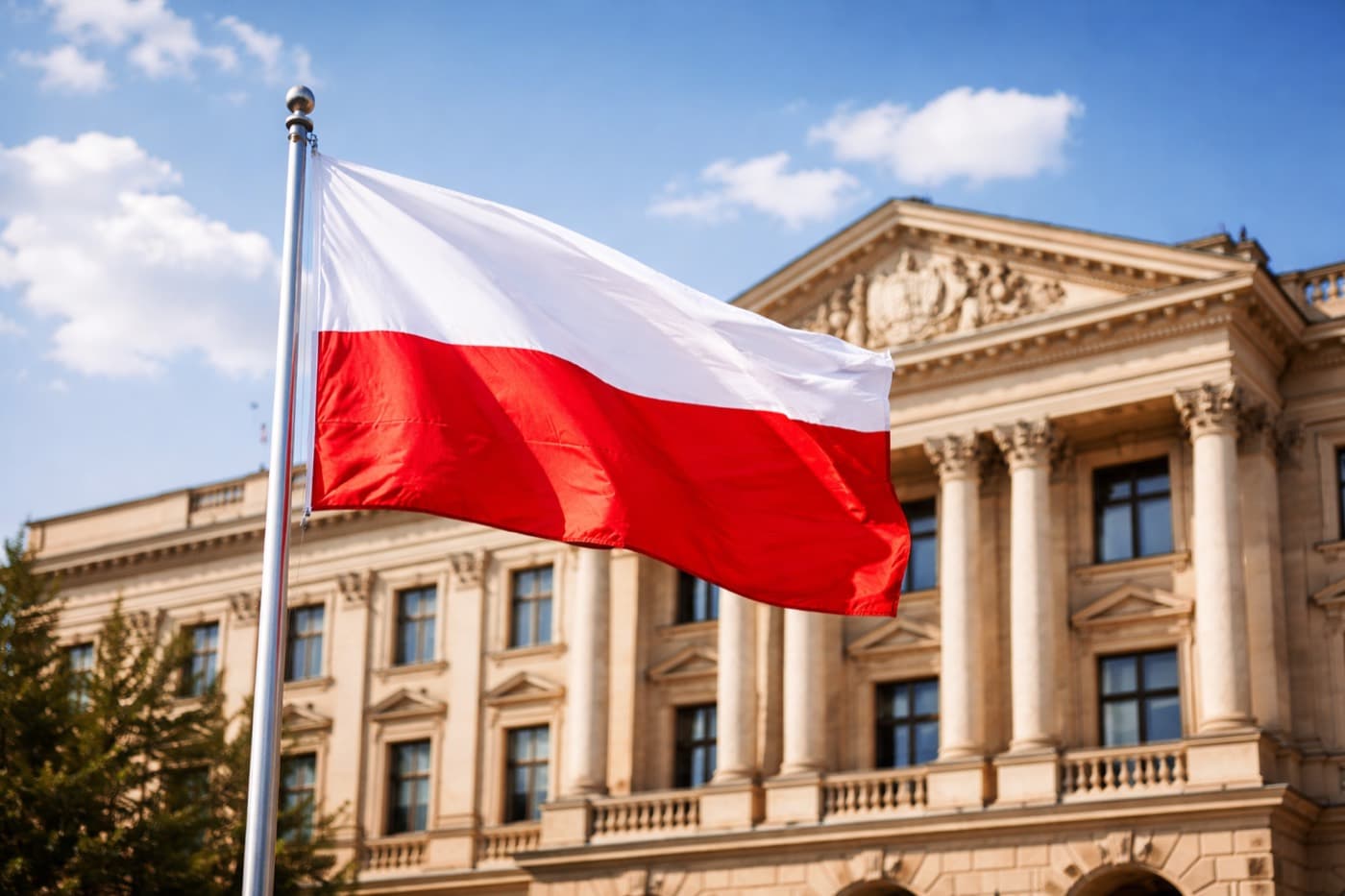
An efficient receivables recovery process in Poland
The debtor promises payment but does not execute the transfer. Domestic debt collection helps stop repeated delays and move the matter towards actual repayment.

In B2B cases, companies often pass the matter between departments and avoid ownership of the payment. Structured communication shortens the time needed to pursue the receivable.
Complaints or comments on the settlement are sometimes used as a pretext to postpone payment further. We analyse whether the dispute has merit and conduct actions aimed at settling the receivable.

Documents point to different entities on the counterparty's side, which blocks decisions and delays recovery. Clarifying responsibility allows the case to be pursued against the correct debtor.
Incomplete records and inconsistent arrangements make effective recovery more difficult. We review the case file at the outset to avoid downtime and formal mistakes.
When every case is handled differently, delays, missed steps and inconsistent communication become more likely. A structured domestic recovery model puts the process in the right order and improves effectiveness.
We organise the basis of the claim, the contract, invoices, due dates and the settlement history. This allows the case to move forward on clear and consistent information from the start.
We provide continuity across the full recovery path. If amicable action does not bring payment, we prepare the case for court proceedings and further enforcement under Polish law.
We analyse the debtor's position, the scale of the debt and the arrangements made so far. We then prepare a sequence of actions designed to increase the chance of prompt payment.
We handle communication on your behalf, enforce deadlines and keep the arrangements in order. You have one case manager and full visibility of the status at every stage.
If one-off payment is not possible, we negotiate terms that protect the creditor's position. We make sure the arrangements are concrete, measurable and enforceable.
We assign one person responsible for case handling, coordination and ongoing communication. This gives you a direct contact, a clear status update and a more efficient recovery process.

Review the steps we follow, from document analysis to successful recovery of the receivable.
Faster procedures and lower recovery costs.

Focused exclusively on debt recovery matters for businesses

One point of contact, clear status updates and full visibility of the process.
in receivables recovered in 2025.
Briefly describe the case and the current stage of the settlement. After reviewing it, we will come back with a recommendation for the next steps.
Effective domestic debt collection starts with well-ordered information about the transaction and the payment. Proper documentation shortens the analysis stage, supports negotiations and accelerates recovery.